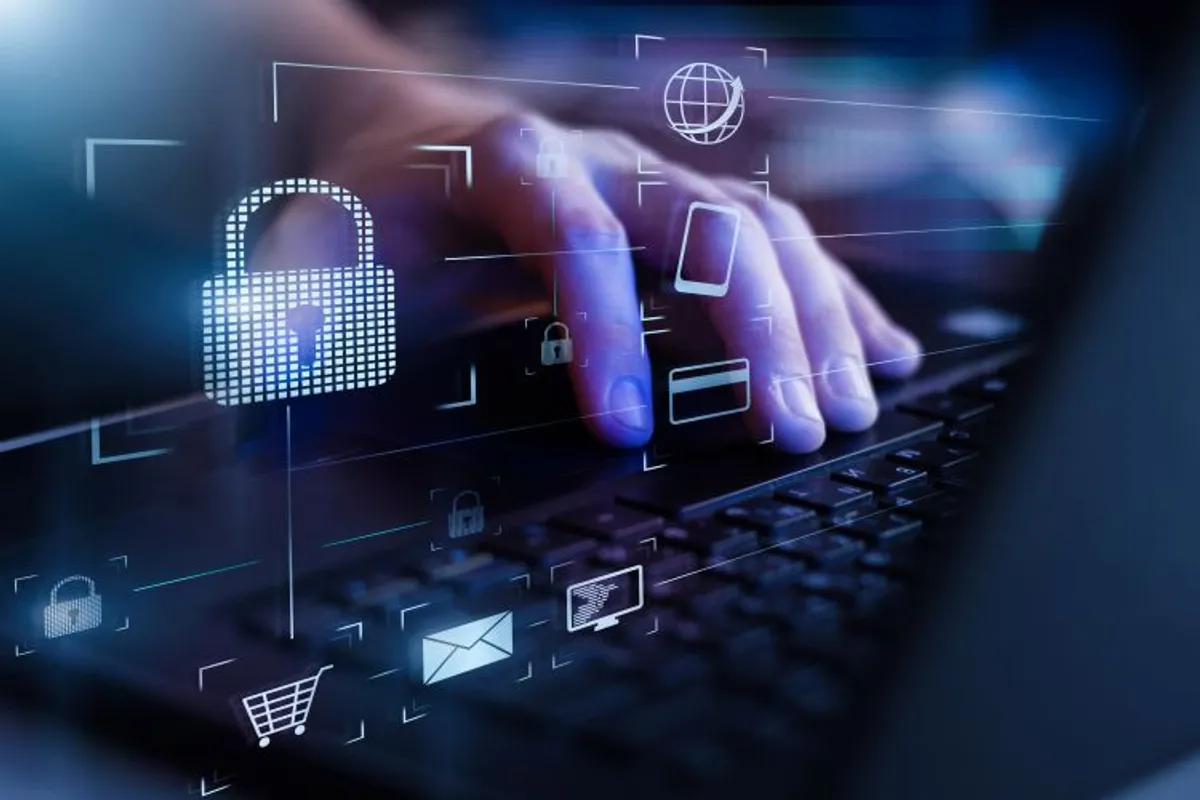
The internet has become an essential part of daily life, connecting people through communication, shopping, education, entertainment, and work. While digital technology offers countless advantages, it also introduces risks such as hacking, phishing, malware, identity theft, and data breaches. Protecting personal information has become more important than ever. This is where Cybersecurity plays a crucial role in keeping users safe from online threats. Quamtamtech believes that everyone, regardless of technical knowledge, should understand the basics of digital security. Whether you use a smartphone, laptop, or tablet, adopting smart security habits can prevent costly mistakes and safeguard sensitive information. This guide explains practical strategies to improve online privacy, secure devices, and stay protected against modern cyber threats. By following these recommendations, individuals and businesses alike can enjoy a safer digital experience while reducing the risks associated with today’s connected world.
Why Cybersecurity Matters in Today’s Digital World
Every day, millions of users share personal information across websites, mobile applications, cloud platforms, and social media. Unfortunately, cybercriminals continuously develop sophisticated methods to exploit security weaknesses. Financial fraud, ransomware attacks, identity theft, and unauthorized access are becoming increasingly common worldwide. Cybersecurity helps protect sensitive information, financial records, passwords, business data, and personal identities from these evolving threats.
Ignoring digital security can result in severe consequences, including financial losses, damaged reputations, and compromised privacy. Businesses may suffer operational disruptions, while individuals may lose access to important accounts or become victims of scams. Good security practices reduce vulnerabilities and create multiple layers of protection against attacks.
Quamtamtech encourages users to stay informed about emerging threats because awareness remains one of the strongest defenses against cybercrime. Even simple habits such as recognizing suspicious emails and using secure passwords can significantly reduce online risks.
Understanding Common Online Threats
Knowing the most common cyber threats helps users recognize suspicious activities before damage occurs. Modern attackers use various techniques to trick users into revealing confidential information or installing malicious software.
Some of the most common online threats include:
- Phishing emails pretending to be trusted organizations
- Malware hidden inside fake software downloads
- Ransomware encrypting personal or business files
- Identity theft using stolen personal information
- Password attacks through brute-force methods
- Fake websites collecting login credentials
- Public Wi-Fi attacks targeting unsecured connections
Attackers often rely on human error rather than advanced technology. Clicking unknown attachments, downloading software from untrusted sources, or sharing personal details without verification can expose users to unnecessary risks. Learning how these attacks work enables individuals to make safer decisions online.
Strong Passwords: Your First Line of Defense
Passwords remain one of the simplest yet most important security measures. Unfortunately, many people continue using weak passwords that hackers can easily guess or crack using automated tools. Creating strong passwords is a fundamental part of Cybersecurity because it protects access to online accounts and sensitive information.
A strong password should include:
- At least 12 to 16 characters
- Uppercase and lowercase letters
- Numbers and special symbols
- No personal information like birthdays
- Unique passwords for every account
Password managers can securely store complex passwords while reducing the need to memorize dozens of different combinations. Enabling multi-factor authentication (MFA) provides an additional security layer by requiring a second verification step before account access is granted.
Protecting Your Personal Privacy Online
Online privacy has become increasingly valuable as websites, applications, and advertisers collect large amounts of user data. Personal information such as location, browsing history, contact details, and financial records can be exposed if privacy settings are ignored.
Users should regularly review account privacy settings and limit the amount of personal information shared publicly. Avoid oversharing on social media platforms because criminals often gather personal details to answer security questions or impersonate victims.
Other privacy best practices include clearing browser cookies, limiting app permissions, using secure browsers, and reviewing data-sharing preferences. Regularly checking account activity can also help detect suspicious behavior before it becomes a major problem.
Device Security Best Practices
Modern devices store valuable personal and professional information, making them attractive targets for attackers. Keeping computers, smartphones, and tablets secure requires consistent maintenance and responsible usage habits.
Here are several device protection strategies:
| Security Practice | Benefit |
|---|---|
| Install software updates | Fixes security vulnerabilities |
| Use antivirus software | Detects and removes malware |
| Enable automatic updates | Ensures latest security patches |
| Lock devices with PIN or biometrics | Prevents unauthorized access |
| Backup important data | Protects against data loss |
| Encrypt sensitive files | Adds an extra protection layer |
Regular software updates should never be ignored because they often contain important security improvements that close newly discovered vulnerabilities.
Safe Browsing Habits for Everyday Internet Use
Safe browsing is one of the easiest ways to reduce exposure to cyber threats. Many attacks begin when users unknowingly visit malicious websites or download infected files. Responsible browsing habits minimize these risks while improving overall digital safety.
Before entering passwords or payment information, always verify that websites appear legitimate. Avoid clicking advertisements promising unrealistic rewards or urgent account warnings. Be cautious when downloading free software, especially from unfamiliar sources.
Email safety is equally important. Never open unexpected attachments or click suspicious links without verifying the sender. Many phishing campaigns imitate banks, delivery companies, and government organizations to trick users into revealing confidential information.
Practicing these habits consistently helps create a safer online experience for both personal and professional activities.
Cybersecurity Tips for Families and Children
Children spend increasing amounts of time online for education, gaming, and entertainment. Parents should educate young users about digital safety while encouraging responsible internet behavior. Cybersecurity awareness should begin early because children may not recognize online scams or malicious content.
Parents can improve family safety by:
- Setting parental controls on devices
- Monitoring online activity responsibly
- Teaching children not to share personal information
- Explaining the dangers of online strangers
- Encouraging strong password habits
- Updating devices regularly
- Discussing safe social media behavior
Open communication allows children to report suspicious messages or uncomfortable online experiences without fear. Building trust is just as important as installing security software.
Business Security Essentials
Businesses of every size face increasing cyber risks. Even small organizations can become targets because attackers often exploit weaker security systems. Employee awareness remains one of the most effective defenses against cybercrime.
Organizations should establish clear security policies covering password management, software updates, remote work practices, and data handling procedures. Regular employee training helps reduce accidental security incidents caused by phishing or social engineering attacks.
Important business security measures include:
- Employee cybersecurity awareness training
- Regular system backups
- Access control policies
- Secure cloud storage
- Network monitoring
- Incident response planning
- Data encryption
Investing in preventive security measures is often far less expensive than recovering from a successful cyberattack.
Emerging Threats and Future Security Trends
Technology continues evolving rapidly, creating both opportunities and new security challenges. Artificial intelligence, cloud computing, smart devices, and remote work environments introduce additional risks that require stronger protection strategies.
Future Cybersecurity solutions are expected to rely more heavily on artificial intelligence for threat detection, automated response systems, biometric authentication, and advanced behavioral analysis. Organizations are also adopting zero-trust security models that continuously verify users instead of assuming trust based solely on network location.
As technology advances, attackers also develop more sophisticated techniques. Continuous learning, regular software updates, and proactive security awareness will remain essential for staying protected in an increasingly connected digital world.
Building a Long-Term Security Mindset
Effective digital protection is not achieved through a single tool or software program. Instead, it requires consistent habits, ongoing awareness, and responsible online behavior. Cybersecurity becomes far more effective when users think proactively rather than reacting after an attack occurs.
Individuals should regularly review account activity, update passwords, verify software authenticity, and educate themselves about emerging scams. Businesses should encourage a security-first culture where employees understand their role in protecting valuable information.
The most successful defense combines technology, education, and vigilance. Small daily habits often provide stronger protection than expensive security products alone.
Conclusion
Digital technology continues transforming the way people live, work, and communicate, making online protection more important than ever. From securing passwords and protecting personal privacy to recognizing phishing attempts and maintaining updated devices, every user has a role in creating a safer online environment. Quamtamtech emphasizes that Cybersecurity is not just a technical responsibility but a daily habit that helps prevent financial losses, identity theft, and data breaches. By following practical security practices, remaining cautious while browsing, and staying informed about evolving threats, individuals and businesses can confidently navigate today’s digital landscape. Investing time in building strong security habits today will provide lasting protection for the future, ensuring safer experiences across every connected device and online platform.
Read more: Popular Software and Apps on quamtamtech – Productivity Tools & Reviews
Leave a Reply